
Menu
Same-Day Service Available!
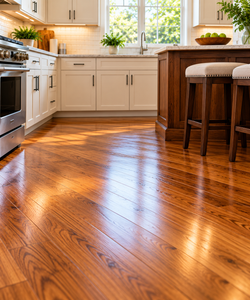
Hardwood floors bring warmth, character, and a welcoming feeling to kitchens and dining areas. They make everyday spaces feel comfortable while adding natural beauty that works with almost any decorating style. However, these floors also face some of the toughest cleaning challenges in a home. Between cooking, family meals, spilled drinks, food crumbs, and constant foot traffic, keeping hardwood surfaces clean can require more attention than homeowners expect.
Unlike hardwood flooring in bedrooms or quiet living areas, kitchen and dining room floors experience frequent exposure to moisture, grease, and sticky residue. A small splash near the sink, cooking oil that settles around the stove, or crumbs trapped beneath dining chairs can gradually affect the appearance of the finish. Even regular mopping may leave behind residue when homeowners use too much cleaning solution or the wrong products.
That is why hardwood floor cleaning should involve more than simply wiping away visible dirt. A thoughtful cleaning routine helps protect the finish, reduce unnecessary wear, and maintain the natural appearance of the wood. More importantly, the right approach makes daily maintenance easier for families who spend much of their time cooking, eating, and gathering together.
For homeowners in Goodlettsville, TN, 37072, these concerns are especially familiar in busy households with children, pets, and active kitchens. Whether your home features traditional oak flooring, modern engineered hardwood, or a combination of wood surfaces throughout the main living areas, understanding proper care can help you avoid common cleaning mistakes.
At Safe-Dry®, we believe a clean home should feel comfortable, inviting, and easier to maintain. Professional hardwood floor cleaning can complement regular household care by addressing stubborn buildup and dirt that everyday cleaning may leave behind.
In this guide, we will explain why kitchen and dining room hardwood floors become dirty, how to clean them safely, what habits can cause damage, and when professional attention may be helpful.
Kitchens and dining areas naturally experience more activity than many other rooms. People move between the refrigerator, countertops, stove, sink, and dining table throughout the day. As a result, dirt and residue can accumulate quickly, even when the floors appear relatively clean.
One major reason is the combination of moisture and food-related residue. Cooking produces small amounts of airborne grease that can settle on nearby surfaces. Meanwhile, food preparation introduces crumbs, oils, and occasional spills. Over time, these materials can create a thin layer of buildup that makes hardwood flooring look dull or feel slightly sticky.
Foot traffic also contributes to the problem. Shoes can carry fine particles of sand, dust, and outdoor debris into the kitchen. When these particles remain on the floor, walking across them can cause tiny scratches in the protective finish. Although individual scratches may be difficult to notice, repeated abrasion can gradually change the floor's appearance.
Dining areas present another challenge because chairs move frequently. Every time someone pulls out a chair, its legs may drag across the floor. Without proper furniture pads, this movement can create marks and scratches, especially when dirt becomes trapped beneath the chair legs.
Homes with pets may experience additional cleaning needs. Dogs and cats can track dirt into eating areas, scatter food around their bowls, or leave small amounts of water near drinking stations. Pet nails may also contribute to surface wear, particularly on floors with an aging finish.
Because these conditions happen throughout the day, hardwood floor cleaning works best when homeowners combine simple preventive habits with periodic, more detailed maintenance.
Not all hardwood flooring responds to cleaning products in the same way. Before choosing a cleaning method, homeowners should understand the type of floor and protective finish installed in their kitchen or dining area.
Solid hardwood flooring consists of natural wood throughout each plank. It can provide long-lasting beauty, but excessive moisture may cause swelling, cupping, or other dimensional changes. For this reason, cleaning methods should limit water exposure and avoid allowing liquid to collect between boards.
Engineered hardwood flooring typically contains a real wood surface attached to multiple supporting layers. Although this construction can provide greater dimensional stability in certain environments, engineered hardwood still requires careful moisture management. Its surface finish and manufacturer instructions should determine which products are appropriate.
The finish matters just as much as the flooring material. Many modern hardwood floors have a protective polyurethane or factory-applied coating. These finishes help resist everyday spills and wear, but harsh chemicals, abrasive tools, and excessive moisture can gradually weaken their appearance.
Older homes may have waxed, oiled, or otherwise specially finished wood flooring. These surfaces can require different cleaning products and maintenance methods. A cleaner designed for polyurethane-coated hardwood may not be suitable for a waxed or oil-finished floor.
If you are unsure which type of finish your flooring has, check the manufacturer's care instructions or consult a qualified flooring professional before applying a new product.
The National Wood Flooring Association provides helpful educational resources about wood flooring, maintenance, and long-term care. Understanding your floor's requirements is an important first step toward maintaining its appearance.
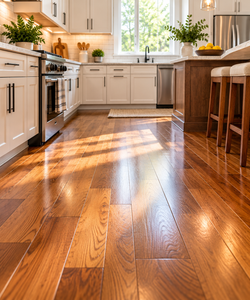
Cooking grease is one of the most overlooked reasons kitchen hardwood floors become dull or sticky.
When food cooks, small amounts of oil and grease can travel through the air before settling on nearby surfaces. This residue is often most noticeable around the stove, cooking island, and surrounding walkways.
At first, the buildup may be almost invisible. However, grease can attract dust, crumbs, and other particles. Over time, the mixture may leave the floor looking cloudy or feeling tacky beneath your feet.
Some homeowners respond by using stronger household cleaners. Unfortunately, products designed for countertops, ovens, or other hard surfaces may contain ingredients that are unsuitable for finished hardwood. Using these products can potentially damage the coating or leave additional residue.
Instead, choose a cleaning solution specifically approved for your hardwood floor's finish. Apply it according to the manufacturer's instructions, preferably using a microfiber cleaning pad rather than saturating the surface.
For small areas with greasy residue, a lightly dampened microfiber cloth and an appropriate wood floor cleaner may be enough. Work gently, avoid aggressive scrubbing, and dry the area promptly.
If the floor remains sticky despite careful cleaning, the problem may involve accumulated cleaning products rather than grease alone. In these situations, professional hardwood floor cleaning may help determine whether removable residue is affecting the surface.
A consistent cleaning routine can make a noticeable difference in how hardwood floors look and feel. Rather than relying on occasional heavy mopping, homeowners can maintain cleaner floors by following a simple process that addresses loose debris, spills, and surface residue.
Start by removing crumbs, dust, pet hair, and other loose particles. Use a soft-bristle broom, microfiber dust mop, or vacuum approved for hardwood flooring.
If you prefer vacuuming, turn off the rotating brush or beater bar unless the manufacturer specifically approves its use on hardwood. A hard-floor attachment with soft bristles is generally a better choice.
Pay particular attention to the areas beneath dining tables, around chair legs, and near kitchen cabinets. These spaces often collect crumbs that remain unnoticed during quick cleaning sessions.
Removing loose debris before damp cleaning is important because grit can act like sandpaper when dragged across the finish.
After removing dry debris, look for food spills, grease spots, water marks, and sticky residue.
Kitchen floors frequently develop small problem areas around the refrigerator, sink, stove, and trash can. Dining rooms may have dried drink spills or food residue beneath the table.
Identifying these areas before cleaning helps you focus on spots that need additional attention without repeatedly scrubbing the entire floor.
Select a cleaning product recommended by your flooring manufacturer. Ideally, it should be designed for your specific finish and should not leave unnecessary residue.
Avoid assuming that a product is suitable simply because its label says it works on multiple surfaces. Hardwood finishes have different requirements, and a cleaner that works well on tile may not be appropriate for wood.
Also, avoid mixing household cleaning chemicals. Combining products can create harmful reactions and may damage flooring materials.
Use a microfiber mop or cleaning pad with only the amount of moisture recommended for your floor. The pad should not leave puddles or visible standing water.
Work in manageable sections, following the direction of the wood grain when practical. This helps you maintain control and notice areas that need additional attention.
Avoid pouring cleaning solution directly onto the floor unless the product and flooring manufacturers specifically recommend that method.
If you notice a sticky area after the first cleaning pass, use a soft microfiber cloth with a small amount of approved cleaner.
Allow the product to work according to its label instructions, then gently wipe the affected surface. Avoid using steel wool, stiff brushes, abrasive powders, or scraping tools that could scratch the finish.
For stubborn discoloration, stop before applying additional chemicals. Some marks involve damage to the finish or wood rather than removable dirt.
Once cleaning is complete, check the floor for remaining moisture. Use a clean, dry microfiber cloth to remove any dampness, particularly around seams and edges.
Allow the floor to dry completely before replacing rugs, moving furniture, or allowing heavy traffic through the area.
Finally, inspect the finish under natural light. If the surface still looks cloudy or uneven, consider whether old cleaning residue, scratches, or finish wear may be contributing to the appearance.
Food spills are unavoidable in kitchens and dining rooms. Fortunately, most everyday spills are easier to manage when homeowners respond quickly and use gentle cleaning methods.
Water-based spills, such as juice, coffee, or soft drinks, should be wiped up promptly with a clean, absorbent cloth. The longer liquid remains on hardwood, the greater the chance that moisture may reach seams or vulnerable areas of the finish.
For sticky spills, first remove the excess material without spreading it across the floor. Then use a lightly dampened microfiber cloth and an approved hardwood cleaner to remove the remaining residue.
Greasy food spills require a similar approach. Blot or lift away excess oil with a soft cloth rather than rubbing it into a larger area. Follow with a suitable wood floor cleaner, using only the recommended amount.
Dropped sauces, salad dressings, and colorful foods may leave temporary residue or discoloration. Avoid using aggressive stain removers unless the flooring manufacturer confirms they are safe.
When dealing with dried food, resist the temptation to scrape the floor with a metal utensil. Instead, gently soften removable residue with an appropriate cleaner and wipe it away using a soft cloth.
Quick attention to spills is one of the simplest ways to protect hardwood flooring from unnecessary moisture exposure and finish damage.
Water exposure is a major concern for hardwood flooring, especially in kitchens where plumbing fixtures and appliances are used daily.
Small splashes around the sink may seem harmless, but repeated moisture exposure can affect the protective finish and eventually reach the wood beneath it.
Dishwashers, refrigerators with water dispensers, and ice makers can also develop leaks. Sometimes, these leaks remain hidden until homeowners notice discoloration, swelling, or changes in the flooring surface.
To reduce the risk of damage, inspect the areas around appliances periodically. Look for dampness, unusual odors, raised board edges, or changes in the floor's appearance.
A water-resistant mat near the sink can help catch everyday splashes. However, choose a mat with a backing approved for hardwood floors. Some rubber or plastic materials may react with certain finishes or trap moisture beneath them.
Clean beneath mats regularly and allow the flooring to dry before placing them back.
If a significant leak occurs, address the water source immediately. Remove standing water and contact an appropriate water damage or flooring professional when necessary.
Professional hardwood floor cleaning is intended to address suitable surface cleaning concerns, not repair water-damaged boards or correct plumbing problems.
Dining chairs are among the most common sources of repeated friction on hardwood floors.
Unlike furniture that stays in one place, dining chairs move several times a day. People slide them backward before sitting down and push them forward when leaving the table.
Without protective pads, chair legs can scrape directly against the floor. Even chairs with smooth-looking feet may collect small particles of grit that create scratches during movement.
Furniture pads offer a simple way to reduce this risk. Felt pads are commonly used for indoor dining furniture, although the best option depends on the chair design and flooring manufacturer's recommendations.
Check the pads regularly because they can wear down, collect debris, or fall off over time. A missing pad on one chair leg may cause uneven contact and additional surface wear.
Also, avoid dragging heavy dining tables, cabinets, or kitchen islands across hardwood flooring. When furniture must be moved, lift it safely or use appropriate moving equipment.
These preventive measures support long-term hardwood floor maintenance and can reduce the need for repairs or refinishing.
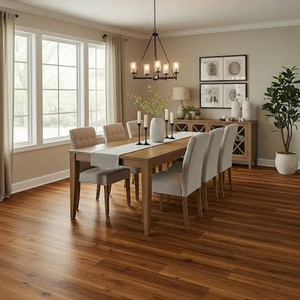
The space beneath a dining table often collects more debris than homeowners realize. Crumbs from bread, cereal, snacks, and other foods can fall between chair legs and settle along flooring seams.
When these particles remain on the floor, regular foot traffic may grind them against the finish. Some food residue may also attract pests if left unattended.
A quick daily sweep beneath the dining table can help prevent buildup. Use a microfiber dust mop or lightweight vacuum attachment that can reach around chair legs.
For families with young children, consider cleaning beneath the table after meals rather than waiting until the end of the week. This small habit can prevent sticky residue from becoming difficult to remove.
If your dining area includes an area rug, lift and inspect it periodically. Dirt may collect beneath the rug, particularly around the edges where people walk frequently.
The rug itself may also require occasional professional area rug cleaning depending on its material, construction, and level of use.
Keeping both the rug and exposed hardwood clean helps maintain a more comfortable dining environment.
Families with young children often need a more flexible cleaning routine because spills and messes can happen throughout the day.
Dropped snacks, spilled milk, juice, art supplies, and sticky fingerprints can all affect kitchen and dining room floors. Fortunately, homeowners do not need to perform a complete floor cleaning after every small mess.
Instead, focus on removing spills promptly and keeping loose debris under control.
Use cleaning products that are appropriate for the flooring material and follow all label directions, including any recommended drying or reentry time. Store cleaning supplies securely away from children.
Avoid leaving wet cleaning pads or chemical containers unattended in areas where children play.
For everyday messes, a soft cloth and a manufacturer-approved cleaner are often sufficient. Larger cleaning sessions can be scheduled when children are away from the area, making it easier to work safely and allow the floor to dry.
A practical routine also helps reduce the temptation to use excessive amounts of cleaning solution.
At Safe-Dry®, our family-first approach focuses on helping homeowners maintain spaces that feel fresh, welcoming, and comfortable for everyday living.
Pets often spend time in kitchens and dining areas because these spaces are close to family activity, food bowls, and water stations.
Although pets bring plenty of joy into the home, they can also introduce additional cleaning challenges.
Water bowls may splash onto nearby hardwood. Food crumbs can collect around feeding areas, while paws may track dust or outdoor moisture across the floor.
Place a suitable water-resistant feeding mat beneath pet bowls to help contain spills. Choose a material that will not discolor or damage the floor's finish, and lift the mat regularly to check for trapped moisture.
Keep pet nails trimmed as recommended by your veterinarian or groomer. While trimming cannot prevent every scratch, it may help reduce some forms of surface wear.
If a pet has an accident on hardwood flooring, remove the moisture promptly. Pet urine can affect finishes and may penetrate exposed wood or seams.
Products intended for pet urine removal on carpet are not automatically safe for hardwood. Some enzyme cleaners and odor elimination products may require special precautions or may not be suitable for particular wood finishes.
For persistent pet odors, the source should be identified before treatment. If urine has penetrated beneath the finish, surface cleaning alone may not resolve the issue.
Homes with both hardwood and carpet may benefit from separate care plans. Professional carpet cleaning services can address appropriate carpet-related concerns, while hardwood surfaces require methods designed for wood flooring.
Even homeowners who clean regularly can unintentionally damage hardwood flooring by using unsuitable tools or cleaning methods.
One common mistake is excessive mopping. Traditional wet mops can leave too much water on the surface, especially when homeowners repeatedly dip them into a bucket. Moisture may collect between planks and along edges, increasing the risk of damage.
Another mistake is using household products without checking whether they are approved for the finish. Vinegar mixtures, ammonia-based cleaners, abrasive powders, and strong degreasers may damage or dull certain hardwood coatings.
Steam mops also deserve caution. Heat and moisture can affect wood flooring, and many manufacturers advise against steam cleaning. Follow the specific instructions for your floor rather than relying on general cleaning claims.
Using excessive cleaning solution can create additional problems. Even products designed for hardwood may leave residue when applied too heavily or without following the label directions.
Abrasive cleaning pads and stiff brushes can scratch protective coatings. Similarly, vacuum cleaners with unsuitable rotating brushes may contribute to surface wear.
Finally, homeowners sometimes attempt to polish over dirt or existing buildup. This may temporarily change the floor's appearance while making future cleaning more difficult.
The best approach is to keep cleaning simple, use compatible products, and address unusual floor conditions before they become larger problems.
The ideal cleaning schedule depends on household activity, flooring condition, and how frequently the kitchen and dining room are used.
For many families, a quick daily sweep or dust mop is a practical starting point. This removes food crumbs, tracked-in dirt, and loose particles before they can scratch the finish. Homes with children or pets may benefit from additional attention around eating and feeding areas.
A more detailed cleaning session can be completed as needed using a product approved for the floor's finish. Some kitchens require frequent spot cleaning, while others may only need occasional damp cleaning beyond routine sweeping.
According to the National Wood Flooring Association's maintenance recommendations, homeowners should remove loose dirt regularly, clean spills immediately, and avoid wet or steam mops. The organization also recommends using cleaning products specifically suited to the flooring finish.
Seasonal cleaning provides another opportunity to inspect high-traffic areas. During these sessions, homeowners can move lightweight furniture, check protective pads, inspect appliance areas, and remove buildup from corners.
Professional hardwood floor cleaning may be beneficial when ordinary maintenance no longer removes visible residue or restores the floor's expected appearance.
Safe-Dry® of Goodlettsville generally recommends professional hardwood cleaning every six to twelve months, depending on traffic and household conditions. However, the appropriate schedule may vary according to the floor's finish, condition, and cleaning needs.
Have you ever finished mopping your kitchen floor only to notice that it still looks cloudy?
This is a common frustration, and it does not necessarily mean the floor is dirty.
One possible cause is cleaning product residue. When homeowners use too much solution or choose a product that leaves a film, the floor may develop an uneven appearance. Additional applications can make the problem worse instead of improving it.
Another possibility is grease accumulation. Kitchen grease can combine with dust and leftover cleaning solution, creating a layer that ordinary mopping does not fully remove.
The condition of the protective finish also plays an important role. Over time, foot traffic, furniture movement, and everyday wear can reduce the finish's original appearance. Scratches scatter reflected light, making some areas look duller than others.
Sunlight may contribute to uneven coloring as well. Natural wood can change color with age and light exposure, especially in areas near windows and glass doors.
Before attempting to restore shine, identify the likely cause. If the problem involves removable buildup, suitable cleaning may improve the appearance. However, if the finish is worn or damaged, professional recoating or refinishing may be necessary.
Avoid applying wax, polish, or shine-restoring products without confirming compatibility. Some products can create slippery surfaces or interfere with future finish treatments.
Regular household cleaning plays an important role in maintaining hardwood floors. However, certain situations may benefit from professional attention.
One example is persistent residue that remains after homeowners have followed the recommended cleaning process. Sticky patches around cooking areas or cloudy surfaces near dining tables may indicate accumulated grease, dirt, or cleaning products.
Another concern is dirt trapped in textured surfaces, grooves, and small gaps. Although routine sweeping removes loose particles, some buildup may remain in difficult-to-reach areas.
Professional cleaning may also be useful before special occasions, family gatherings, or seasonal home maintenance. A thorough cleaning can help refresh the appearance of heavily used spaces without requiring homeowners to experiment with unfamiliar products.
At Safe-Dry® of Goodlettsville, we offer hardwood floor cleaning designed to address everyday dirt and buildup while respecting the needs of wood flooring.
Our local hardwood cleaning service includes an assessment of the floor, dry soil removal, specialized cleaning solutions, and controlled-moisture cleaning methods. The process focuses on removing appropriate surface buildup rather than sanding away the existing finish.
Of course, professional cleaning cannot repair every type of damage. Deep scratches, extensive water damage, loose boards, and severely worn finishes may require specialized flooring repairs.
Knowing the difference between cleaning and restoration helps homeowners make informed decisions about their flooring.
Scheduling professional hardwood floor cleaning should feel straightforward. Homeowners should understand what the service involves, which areas need attention, and what results are reasonable for their floor's condition.
At Safe-Dry® of Goodlettsville, our approach begins with evaluating the flooring and identifying visible concerns.
During the inspection, attention is given to the surface condition, finish type, and areas where dirt or residue has accumulated. Kitchens often require closer examination near cooking appliances, while dining areas may show additional wear around tables and chairs.
Next, loose soil and debris are removed. This preparation helps reduce the chance of abrasive particles moving across the finish during cleaning.
Once the surface is prepared, suitable cleaning products and equipment are used to address accumulated grime. The goal is to remove buildup while controlling moisture exposure.
Depending on the floor's condition and the available service options, additional protective treatments may be discussed. These treatments should only be considered when appropriate for the flooring material and existing finish.
Finally, the cleaned areas are allowed to dry before normal use resumes. Our Goodlettsville hardwood cleaning service describes typical drying times of approximately 30 minutes to one hour, although actual conditions may vary.
For homeowners who want to learn more, our hardwood floor cleaning service page explains the local cleaning process and available options.
Maintaining hardwood floors does not have to become another complicated household responsibility. In fact, a simple routine often works better than occasional aggressive cleaning.
The key is to separate everyday maintenance from deeper cleaning needs.
During a normal weekday, focus on areas where food preparation and dining create the most debris. A quick sweep around the stove, kitchen island, and dining table can prevent crumbs from spreading into surrounding rooms.
After meals, inspect the floor for visible spills. Removing moisture and sticky residue promptly helps reduce the likelihood of staining and buildup.
Once a week, take a closer look beneath furniture and around kitchen appliances. Use a suitable vacuum attachment to remove dust from corners, baseboards, and hard-to-reach areas.
Periodically, clean the surface using the product and frequency recommended by your flooring manufacturer. Avoid unnecessary repeated applications when the floor already looks clean.
Every few months, inspect the furniture pads beneath dining chairs and tables. Replace damaged pads, check for moisture beneath mats, and look for changes in the floor's finish.
Finally, consider a professional assessment when persistent buildup becomes difficult to manage or the floor's appearance changes significantly.
This balanced approach can help homeowners spend less time dealing with stubborn messes and more time enjoying their kitchens and dining rooms.
Kitchens and dining rooms become especially busy during holidays, birthdays, and family celebrations.
More guests usually mean additional foot traffic, extra food preparation, and a greater chance of accidental spills. Fortunately, a little preparation can make cleanup easier.
Before guests arrive, remove loose dirt from the floor. This reduces the amount of grit that shoes may spread through the room.
Place suitable entry mats near exterior doors to catch moisture and debris. Make sure the mats lie flat and have backing approved for hardwood flooring.
In dining areas, inspect furniture pads before moving chairs or adding extra seating. Temporary tables and folding chairs should also have appropriate protection beneath their legs.
During food preparation, keep absorbent cloths nearby so spills can be handled quickly. Avoid leaving wet towels on the floor, particularly near the sink or refrigerator.
After the gathering, begin with dry debris removal rather than immediately mopping. Food crumbs, decorations, and small particles should be collected before any damp cleaning takes place.
If sticky spots remain, treat them individually using an approved cleaning product.
These simple precautions can help protect hardwood floors during some of the busiest moments of the year.
Seasonal changes can affect the amount of dirt and moisture entering a home.
In Goodlettsville, Tennessee, rainy weather may increase the amount of moisture tracked indoors. Meanwhile, warm weather and frequent outdoor activity can introduce dust, grass, and other debris into kitchens and dining areas.
During wetter periods, pay closer attention to entryways and frequently used doors. Shoes and pet paws may carry moisture into the home, where it can spread across hardwood flooring.
Use appropriate mats to reduce tracked-in dirt, and wipe away visible water promptly.
Indoor humidity also deserves attention. Wood naturally responds to changes in moisture levels, which can contribute to expansion and contraction.
Maintaining indoor humidity within the range recommended by the flooring manufacturer can help support dimensional stability. Heating, air conditioning, and humidity-control equipment may be useful depending on the home's conditions.
During dry periods, monitor the flooring for unusual gaps or changes in appearance. Some seasonal movement is normal, but significant changes should be evaluated by a flooring professional.
The National Wood Flooring Association offers additional guidance about wood floor care, maintenance, and environmental considerations.
By adjusting cleaning habits to seasonal conditions, homeowners can better protect their floors throughout the year.
Many homes feature more than one flooring material. A kitchen may have hardwood flooring that connects to a carpeted living room, while a dining area may include a decorative rug beneath the table.
Each surface requires its own cleaning approach.
For example, hardwood flooring should be cleaned using products compatible with its finish. Carpets, on the other hand, may require professional carpet cleaning to address embedded dirt, spills, and odors.
Area rugs also need special attention because their fibers, backing, and construction can affect the appropriate cleaning method.
If a dining rug collects food stains or pet odors, professional rug cleaning may help address those concerns. However, homeowners should avoid using carpet cleaning chemicals directly on exposed hardwood flooring.
At Safe-Dry® of Goodlettsville, we provide several services for different household surfaces, including carpet cleaning, rug cleaning, upholstery cleaning, and hardwood floor cleaning.
For families managing pet-related concerns, professional pet stain and odor removal may also be helpful on suitable carpets and upholstered surfaces.
Coordinating cleaning services can make it easier to maintain connected living spaces without treating every surface the same way.
A dull hardwood floor does not always need refinishing. Sometimes, accumulated dirt and residue are responsible for the change in appearance.
However, understanding the difference can help homeowners avoid unnecessary treatments.
When a floor has removable surface buildup, it may feel sticky, look cloudy, or show uneven patches of residue. These conditions can sometimes improve with appropriate cleaning.
Finish damage presents differently. Deep scratches, peeling coatings, exposed wood, and areas where the protective layer has worn away may not respond to cleaning alone.
Water damage may cause additional warning signs, including raised edges, cupping, dark discoloration, or changes in the shape of individual boards.
If the finish is intact but the floor looks dirty, professional hardwood floor cleaning may be a reasonable first step.
If the finish is worn through or the boards are damaged, consult a qualified flooring professional about repair, recoating, or refinishing.
Do not attempt to cover serious damage with household polish or additional cleaning products. These approaches may complicate future restoration.
The goal is to choose the right solution for the actual condition of the floor rather than relying on appearance alone.
Hardwood flooring is an important feature in many homes, and maintaining it requires attention to both appearance and condition.
Professional cleaning can support long-term maintenance by addressing accumulated dirt and residue that routine cleaning may leave behind.
This is particularly useful in kitchens and dining areas because these spaces experience a combination of foot traffic, food-related residue, and frequent furniture movement.
Removing abrasive debris may help reduce unnecessary friction against the finish. Likewise, addressing suitable surface buildup can make routine maintenance more manageable.
However, professional cleaning works best as part of a broader care routine.
Homeowners should continue removing spills promptly, using appropriate furniture protection, controlling moisture exposure, and following manufacturer recommendations.
It is also important to maintain realistic expectations. Cleaning can improve the appearance of floors affected by removable grime, but it cannot reverse normal aging, replace missing finish, or repair damaged wood.
For Goodlettsville homeowners, a combination of regular household care and occasional professional service can help preserve the appearance of kitchen and dining room hardwood flooring.
Kitchen hardwood floors should be swept or dust-mopped frequently, especially when cooking and dining create crumbs or debris. Spills should be cleaned immediately. More detailed cleaning should follow the flooring manufacturer's recommendations and the household's level of activity.
Daily wet mopping is generally unnecessary and may expose hardwood to excessive moisture. Instead, use a microfiber dust mop for routine debris removal. When damp cleaning is needed, follow the floor manufacturer's instructions and avoid leaving standing water.
The best cleaner is one approved for your specific hardwood finish. Products designed for sealed polyurethane floors may not be suitable for waxed or oiled surfaces. Always check the manufacturer's care instructions before using a new solution.
Sticky flooring may result from cooking grease, food spills, or accumulated cleaning products. Using too much solution can also leave a film. Try an appropriate cleaner according to its instructions, and seek professional guidance if the residue remains.
Professional hardwood floor cleaning may help remove suitable surface grease and accumulated residue. Results depend on the flooring finish, the type of buildup, and whether the surface has experienced permanent damage.
Steam cleaning is generally not recommended for hardwood flooring because heat and moisture can affect the finish and wood. The National Wood Flooring Association advises homeowners to avoid steam mops and wet mops when maintaining wood floors.
Install furniture pads approved for your floor, inspect them regularly, and replace worn or missing pads. Keep the floor free of abrasive debris and avoid dragging heavy furniture across the surface.
Yes. Pet urine may damage the finish and can penetrate seams or exposed wood if it remains on the surface. Clean accidents promptly using a method appropriate for the flooring. Persistent discoloration or odor may require professional evaluation.
The cost depends on the size of the area, floor condition, buildup, and requested services. For accurate pricing, contact Safe-Dry® of Goodlettsville and describe the kitchen or dining area you would like cleaned.
The cleaning time depends on the room size, furniture arrangement, and floor condition. Safe-Dry® of Goodlettsville indicates that hardwood floors typically dry within approximately 30 minutes to one hour after its cleaning process, although drying conditions can vary.
Yes. Routine hardwood floor cleaning focuses on removing dirt and appropriate surface residue without sanding. However, severely worn finishes, deep scratches, or damaged boards may require refinishing or other repairs.
Professional cleaning may be worthwhile when kitchen and dining room floors have persistent buildup, difficult-to-remove residue, or dullness caused by accumulated grime. It can complement regular maintenance, but it does not replace refinishing when the protective coating is damaged.
Your kitchen and dining room should feel like places where everyone can relax, share meals, and enjoy time together. Keeping hardwood floors clean helps maintain that welcoming atmosphere while protecting one of your home's most noticeable features.
From everyday crumbs and cooking grease to sticky spills and constant foot traffic, kitchen and dining room floors handle a lot. Fortunately, the right cleaning habits can make maintaining them much easier.
At Safe-Dry® of Goodlettsville, we understand that homeowners want clean floors without unnecessary complications. Our hardwood floor cleaning service focuses on removing accumulated dirt and residue with methods designed for wood surfaces.
Whether your kitchen floor has developed a cloudy appearance, your dining area needs a refresh, or you simply want help maintaining your hardwood flooring, our local team is ready to discuss your needs.
We proudly serve homeowners in Goodlettsville, TN, 37072, with cleaning services designed to support comfortable, well-maintained homes.
Ready to give your hardwood floors some extra attention? Explore our professional hardwood floor cleaning services in Goodlettsville or connect with Safe-Dry® of Goodlettsville to request a quote and schedule an appointment.
You can also call us at 629-210-1210 to discuss your hardwood floor cleaning needs.
A cleaner kitchen, a more inviting dining room, and beautiful hardwood floors can make everyday moments at home even better. Let Safe-Dry® help you keep those spaces looking their best.


